High-Risk Pregnancy Care in Bhopal at Maan Hospital, Bhopal
What is a High-Risk Pregnancy?
A high-risk pregnancy is a pregnancy that requires extra care due to potential health risks for the mother, baby, or both. Factors like maternal age, pre-existing medical conditions, complications during pregnancy, or multiple pregnancies can increase risks. Proper monitoring and timely interventions are essential to ensure the safety of both mother and child.
If you are looking for expert High-Risk Pregnancy care in Bhopal, consulting a qualified gynecologist in Bhopal is crucial. At Maan Hospital, Dr. Viraj Jaiswal provides specialized care for women experiencing high-risk
pregnancies, offering advanced monitoring, personalized treatment plans, and guidance throughout the pregnancy journey.
Early detection and regular checkups play a vital role in managing complications. With the right support from a skilled gynecologist in Bhopal and access to trusted High-Risk Pregnancy care in Bhopal, mothers can have a safe and healthy pregnancy. Dr. Viraj Jaiswal ensures every patient receives compassionate, professional care, addressing both medical needs and emotional support during this critical period.
Signs and Symptoms of High-Risk Pregnancy
It is essential to be aware of the signs and symptoms that may indicate a high-risk pregnancy. These include:
- Severe abdominal pain or cramping
- Excessive bleeding or spotting
- Severe headaches or visual disturbances
- Decreased fetal movements
- Shortness of breath or chest pain
- Sudden swelling of hands, face, or legs
- High blood pressure

Signs and Symptoms of High-Risk Pregnancy
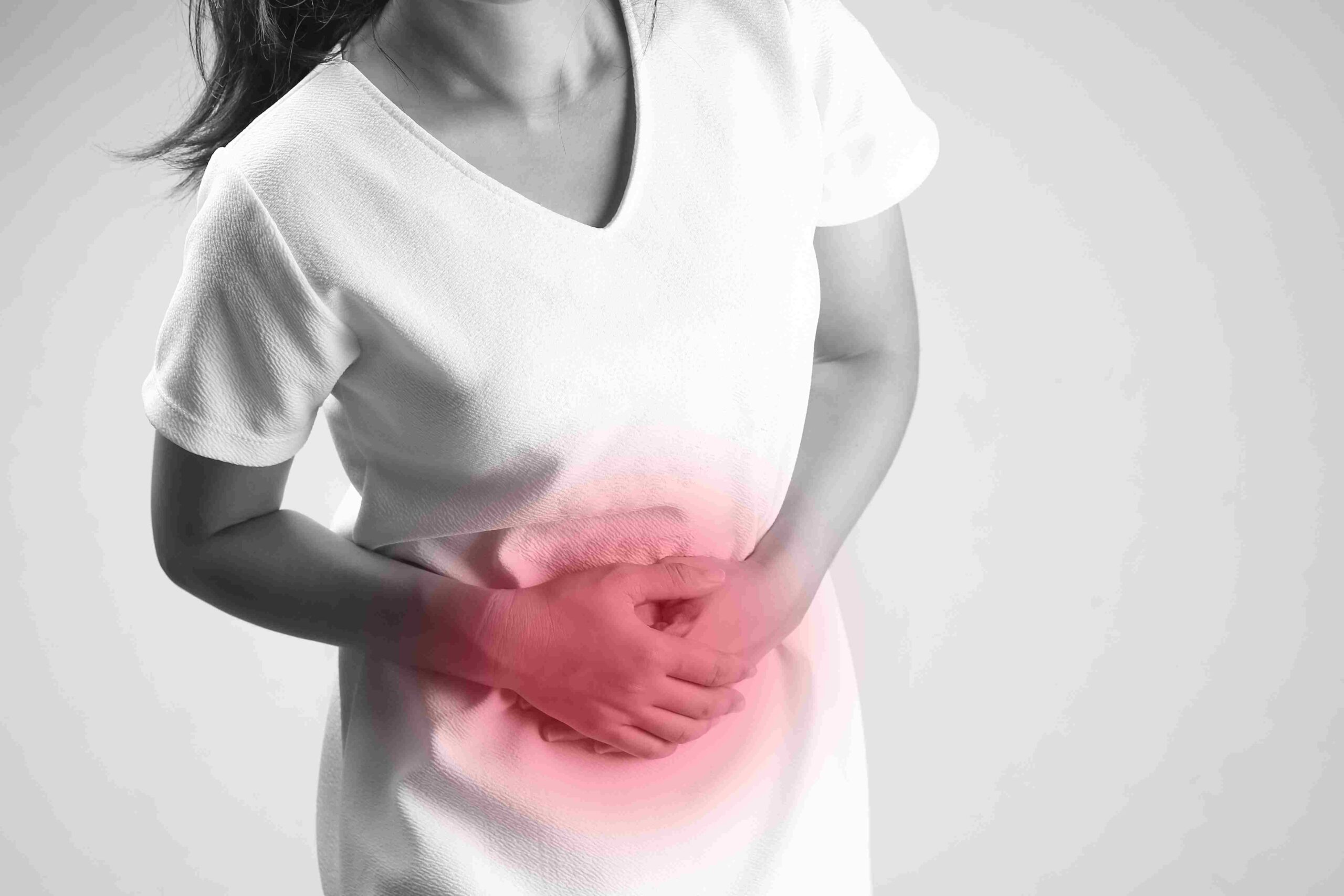
Severe abdominal pain or cramping

Excessive bleeding or spotting

Severe headaches or visual disturbances
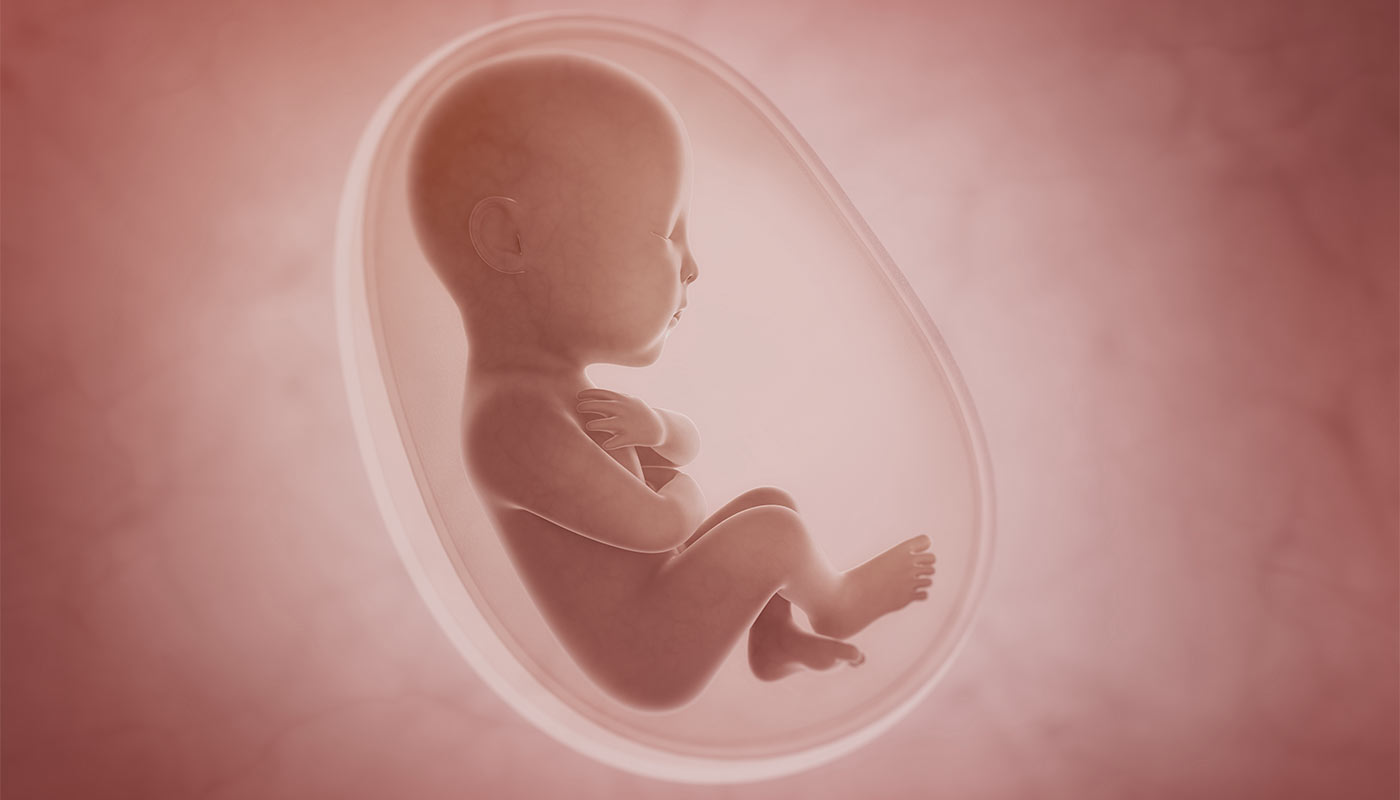
Decreased fetal movements

Shortness of breath or chest pain

Sudden swelling of hands, face, or legs

High blood pressure
What Are the Complications of High-Risk Pregnancies?
Pre-eclampsia
High blood pressure during pregnancy can damage important organs like the liver or kidneys if not treated properly.
Gestational diabetes
High blood sugar during pregnancy can cause the baby to be born early or grow too large.
Preterm labor
Premature birth occurs when the baby is born before 37 weeks, which can affect the baby’s growth and development.
Placental abruption
Placental abruption happens when the placenta separates from the womb too early, leading to serious bleeding.
Fetal growth restriction
Intrauterine growth restriction (IUGR) means the baby is not growing at a healthy rate, and early delivery may be needed.
The expert team at Maan Hospital on Sultania Road near Jahangirabad watches high-risk pregnancies closely to avoid these problems and keep the mother and baby as healthy as possible.
How is High-Risk Pregnancy Care in Bhopal Diagnosed and Monitored?
- Ultrasounds: These are special pictures that help doctors see how the baby is growing and if everything looks okay.
- Blood tests: These tests check for things like high blood sugar (gestational diabetes), low iron (anemia), or infections.
- Non-stress tests (NST): This test looks at the baby’s heart rate to make sure the baby is healthy.
- Amniocentesis: Sometimes, this test is done to check if the baby has any genetic issues or infections.
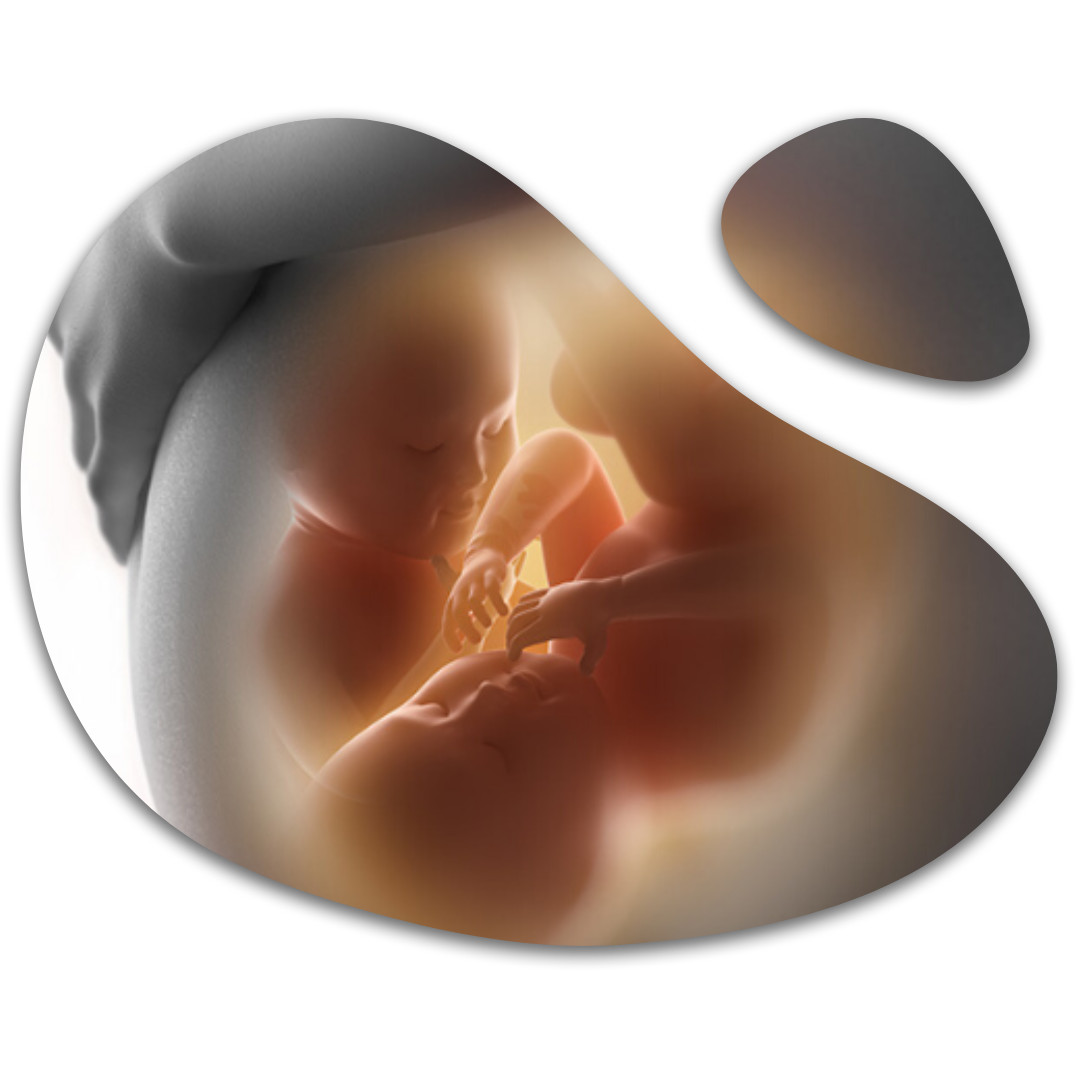
Treatment for High-Risk Pregnancy Care in Bhopal Explained by Dr. Viraj Jaiswal
How common is a High-Risk Pregnancy?
High-risk pregnancies are more common than many realize, affecting around 6-8% of all pregnancies. Factors such as maternal age, existing health issues
like diabetes or high blood pressure, and lifestyle choices can increase the risk. Women over 35 or expecting twins (or more) often fall into this category. With expert care from Dr. Viraj Jaiswal, a trusted gynecologist in Bhopal, and access to specialized High-Risk Pregnancy Care in Bhopal, women can feel confident that their pregnancy is in safe hands. Compassionate care and close monitoring help safeguard the health of both mother and baby
How Can I Prevent a High-Risk Pregnancy?
Manage Health Conditions
Women with conditions such as diabetes or high blood pressure should collaborate with their healthcare provider to manage these issues before conceiving.
Maintain a Healthy Lifestyle
Consuming nutritious foods, exercising regularly, and steering clear of harmful substances like tobacco and alcohol can contribute to a safer pregnancy.
Attend Regular Check-Ups
Frequent doctor visits throughout pregnancy are essential for early detection of any potential complications and for ensuring the health of both mother and baby.
Take Prenatal Vitamins
Essential vitamins, particularly folic acid, support healthy fetal development and decrease the likelihood of birth defects.
Dr. Viraj Jaiswal, a leading gynecologist and obstetrician at Maan Hospital, provides preventive care and guidance to expectant mothers, helping them reduce the risks associated with high-risk pregnancies.
Frequently Asked Questions
Yes, additional tests may include specialized ultrasounds, non-invasive prenatal testing (NIPT), and more frequent monitoring of the baby’s heart rate and movement.
Staying positive can be tough, but focusing on the things you can control, talking to supportive friends or family, and joining support groups can help. Remember, many women have healthy pregnancies and babies, even if they start high-risk.
Some high-risk conditions may pose risks to the baby’s health at birth, but many babies go on to be healthy. Consistent monitoring and care throughout pregnancy can enhance outcomes.
Maintaining a healthy diet, exercising gently, avoiding harmful substances like tobacco and alcohol, and attending all prenatal appointments can support a healthier pregnancy.